

A Comprehensive Patient Guide to Understanding and Treating SUI
“The male sling was a game changer. It put me back to a normal life. I don’t have any more restrictions.”
– Male Sling Recipient

1 in 10 men over the age of 60
experience urinary incontinence
You Don't Have to Live With It
Incontinence, or urine leakage, is often seen as taboo and can be difficult
to talk about. Many stop living fully due to fear or embarrassment.
Understanding the condition and exploring treatment options can help
you regain confidence and get back to the lifestyle you want.
What is Urinary Incontinence?
Urinary incontinence is the involuntary loss of urine, often due to a weak bladder sphincter. It can result from ageing, prostate issues, nerve
damage, or other health conditions. The good news? It’s manageable. In this blog, we’ll explore the types, causes, and treatments to help you
take back control.
Types of Urinary Incontinence
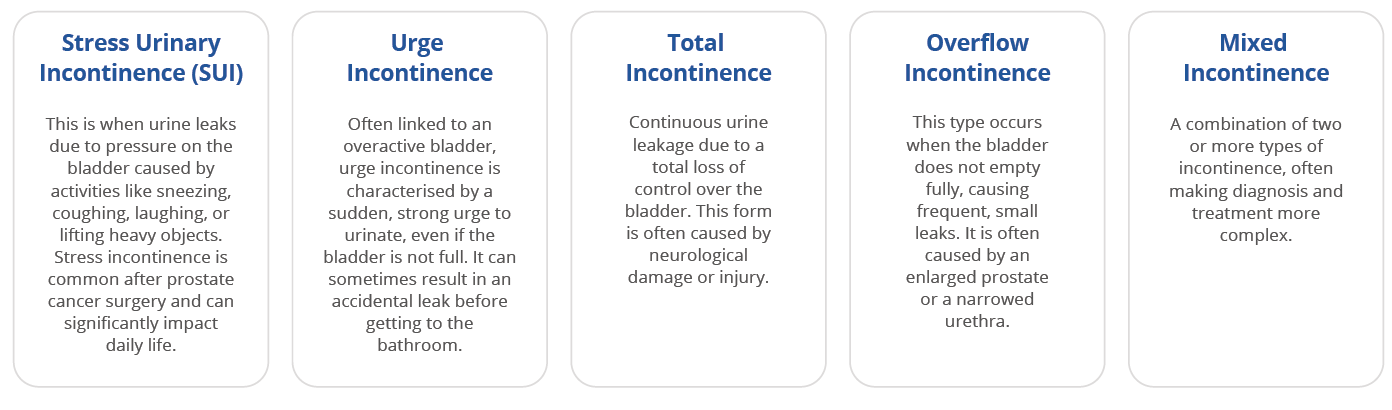
This guide will focus on treatments available for Stress Urinary Incontinence.

Your Urinary System Explained
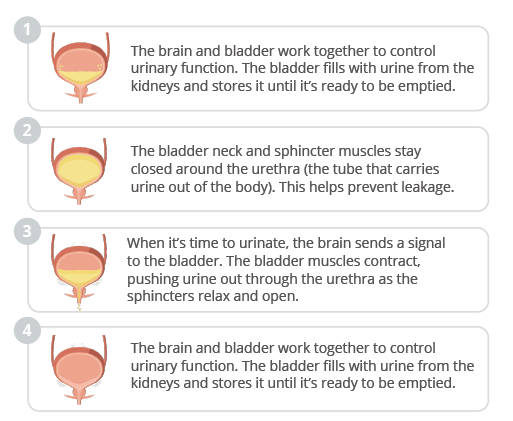
Damage, weakening, or injury to either the muscles or nerves
could result in incontinence.
Prostate Cancer and Stress Urinary Incontinence
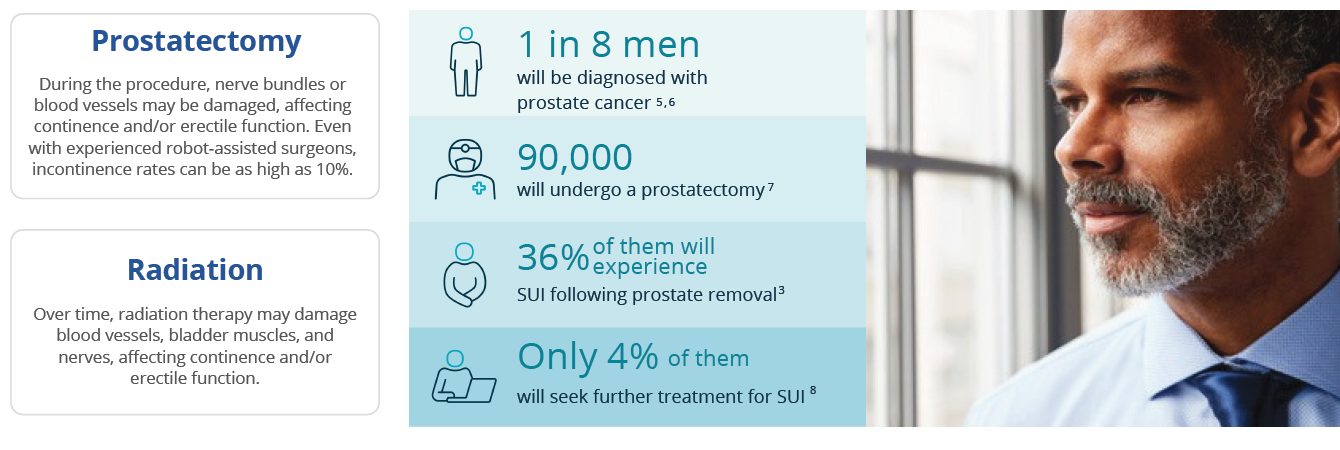
Male incontinence can have many causes, with prostate cancer treatment being the most common for stress urinary incontinence. Treatments like prostate removal or radiation are vital in the cancer journey, but they can lead to incontinence, affecting daily life.
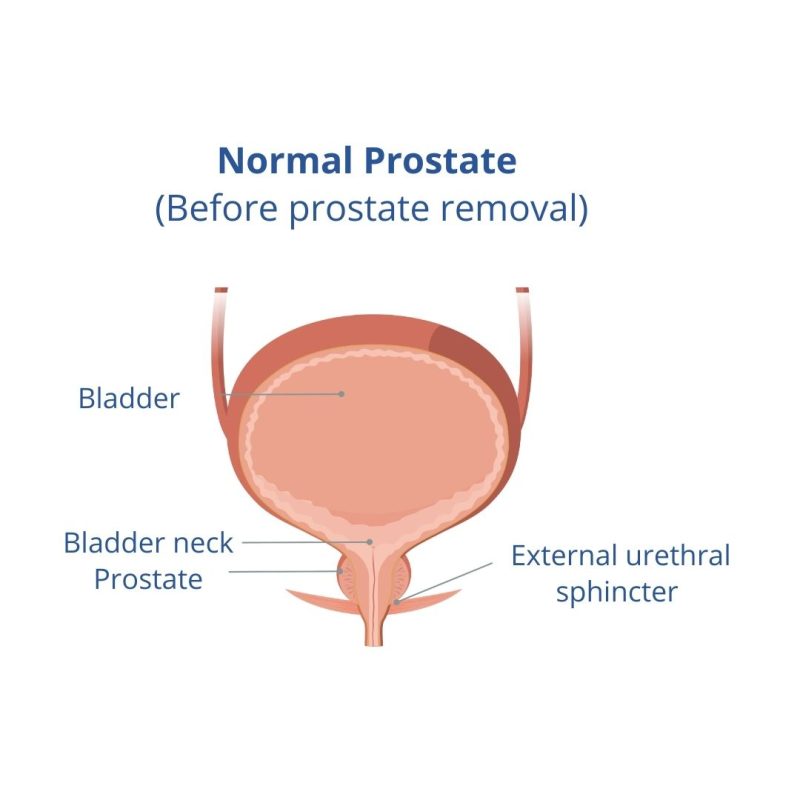
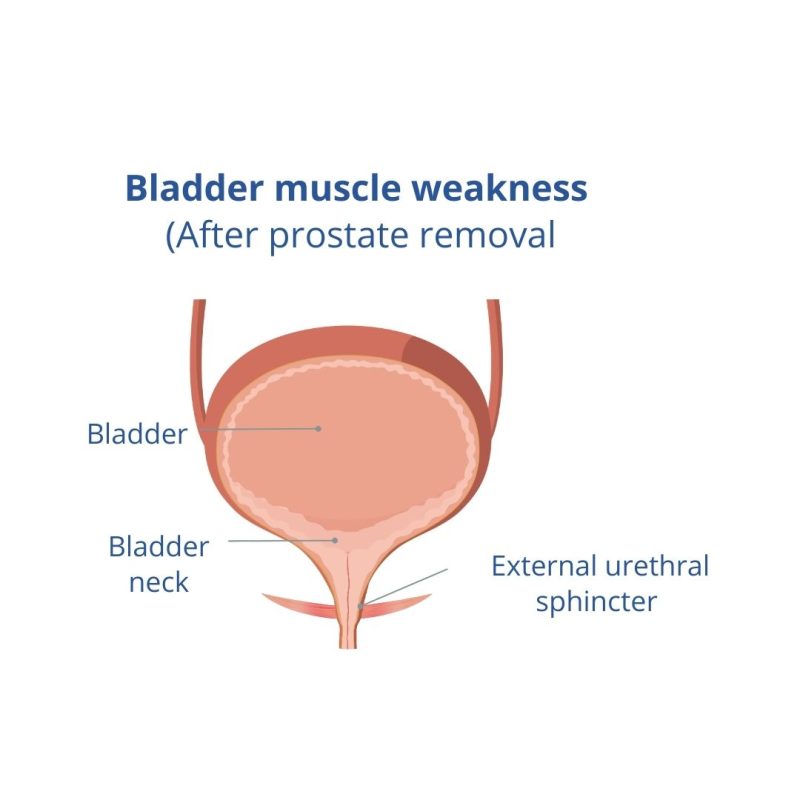
Prostate removal can cause a weakening of the bladder muscles
and less support around the urethra, leading to incontinence.
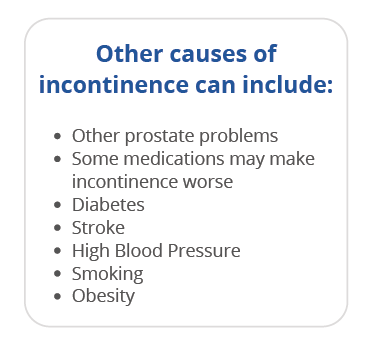
Treatment Impact
Prostate cancer does not cause incontinence, but the treatment options for prostate cancer may affect continence by
impacting the nerves, muscles, or blood flow.
21% of Men will experience ED & Leakage after a prostatectomy
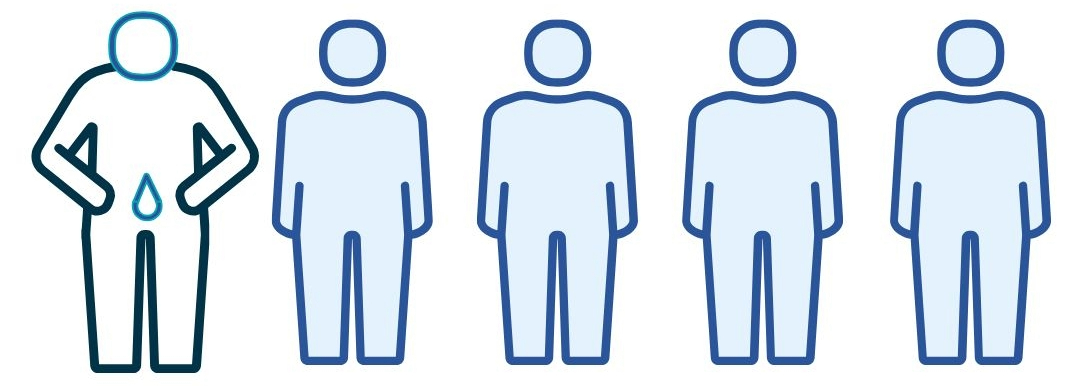
1 out of 5 men
are unhappy with their functional results, likely due to incontinence and erectile dysfunction (ED).
Managing your stress urinary incontinence
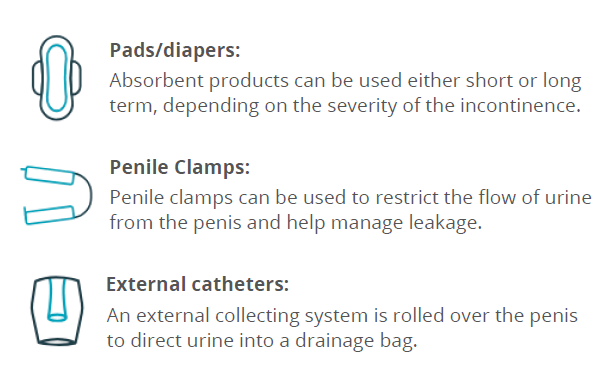
Management refers to how you deal with the condition day to day. Along with pelvic floor exercises (Kegels) and lifestyle changes like limiting fluid intake, there are several options available to help manage stress urinary incontinence.
“Stress urinary
incontinence can interfere
with your activities and
intrude on your life, but
Incontinence is
treatable.”
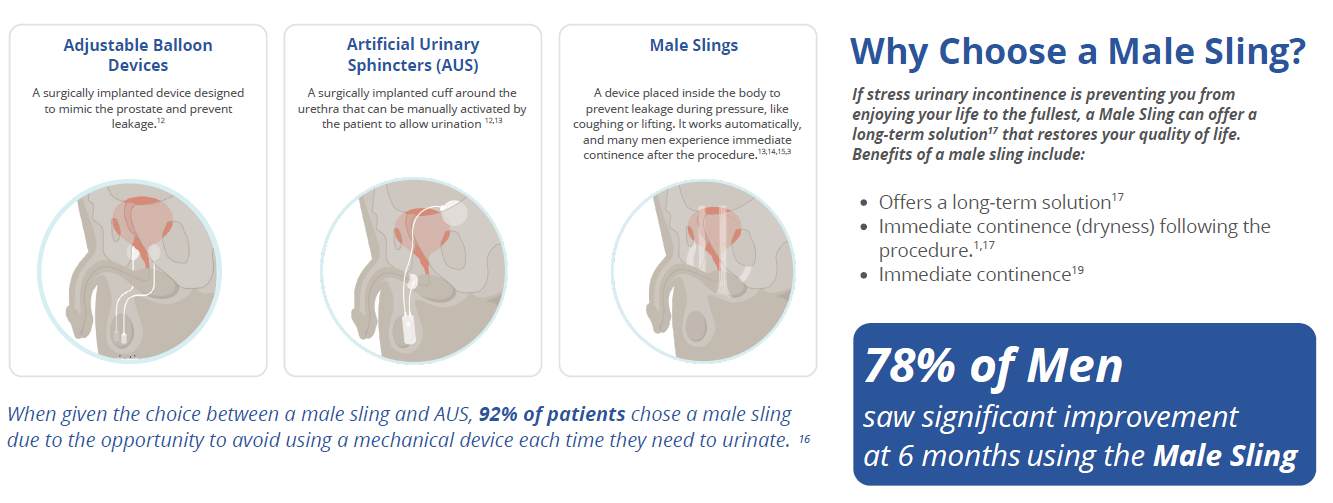
Treatment options for your incontinence Adjustable
What to Expect During the Procedure and Recovery
The Male Sling is typically implanted through an outpatient surgical procedure. Recovery times can vary, but most patients can resume
normal activities after receiving clearance from their healthcare provider. Following the procedure, patients are provided with specific
instructions for post-operative care, which helps ensure a smooth recovery.
1. Find a Doctor Near You
Explore our directory to find a local urologist who specialises in urinary incontinence. They’ll guide you through treatment
options and help you take the next step.
2. What to Expect at Your Consultation
At your appointment, your urologist will run tests to find the cause and severity of your incontinence before creating a
treatment plan with you. Test includes: Urinalysis, Stress test, Post-void residual, Urodynamic testing and Cystoscopy

Living with Erectile Dysfunction(ED) is tough. You may think that no one understands how you feel, and one wants to talk about it.
What is Erectile Dysfunction (ED)?
Erectile Dysfunction(ED) is a common condition that affects men of all ages, though it becomes more prevalent with age. ED refers to difficulty in achieving or maintaining an erection sufficient for sexual activity. It can present as:
- A complete inability to achieve an erection
- Difficulty maintaining an erection firm enough for penetration
- The ability to maintain an erection only briefly
LET'S TALK ABOUT IT... you can find a solution that works.
ERECTILE DYSFUNCTION IS COMMON AND TREATABLE.
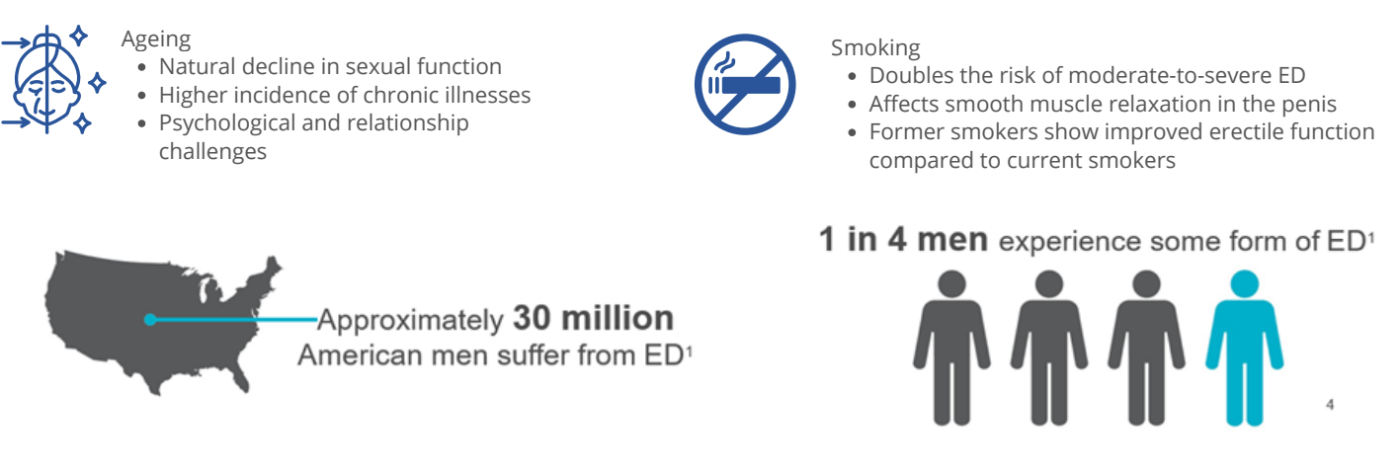
95% of all men over the age of 7 are likely to have some difficulty with ED

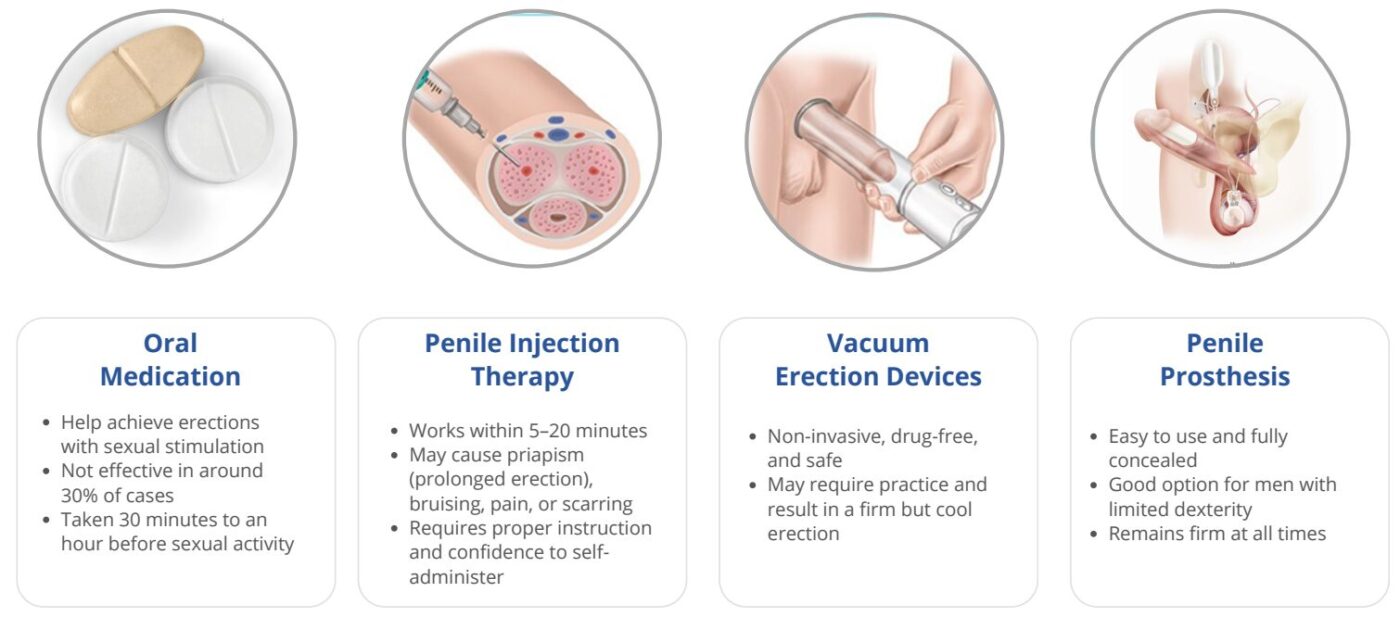
Treatment Options for ED

Chronic Diseases and Erectile Dysfunction
Prostate Cancer
While prostate cancer itself doesn’t cause ED, treatments may impact erections:
- Radical prostatectomy: May damage the surrounding nerves
- Radiation therapy: Can damage blood vessels, affecting blood flow to the penis
Cardiovascular Disease (CVD)
Cardiovascular Disease (CVD) The penis relies on healthy blood flow. ED can be an early sign of endothelial dysfunction and cardiovascular disease, as penile arteries are smaller and affected sooner. Diabetes and Hypertension Diabetes-related ED may be linked to:
- Radical prostatectomy: May damage the surrounding nerves
- Radiation therapy: Can damage blood vessels, affecting blood flow to the penis
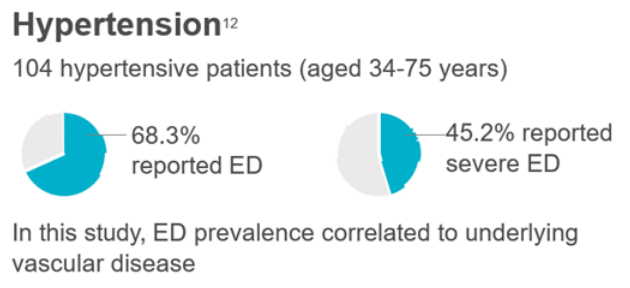
Diabetes & Hypertension
Several factors impact ED in patients with diabetes,
including:
- Increased age
- Increased duration of diabetes
- Poor glycemic control (HbA1C)
- Complications of diabetes
Chronic Diseases and Erectile Dysfunction
Chronic Diseases and Erectile Dysfunction
Implantation of both a malleable and inflatable penile prosthesis requires surgery. Every surgical treatment has potential risks, including penile implants:
- Infection: May make latent natural erections, as well as other treatment options, impossible.
- Erosion: Wearing away of the tissue next to the implant.
- Migration: Unwanted movement of the device within the body.
- Chronic pain
- Device malfunction